The Endangered Star - The Dangers of Light Pollution

Updated: Apr 15

We live in an age of light. At night, we travel by streetlight and read by lamplight. The dark of night no longer hinders our ability to simply live. As much of a blessing as this feels, it can also be a curse. Less than a hundred years ago, anyone, anywhere, could look up into the sky and see the bright swath of the Milky Way, but that becomes less and less true every day for those living in the modern age of electric lighting.
It is impossible to see the stars during the day because the bright light from the Sun drowns out the dim light from the stars. In a similar fashion, artificial light can also smother the stars during the night. This is called light pollution. Like standard pollution, light pollution is the excess light that humans create, which escapes into the environment, usually with a negative impact. All that light we create may allow us to see in the otherwise dark environments, but it also makes it so we can’t see the majestic universe above us.
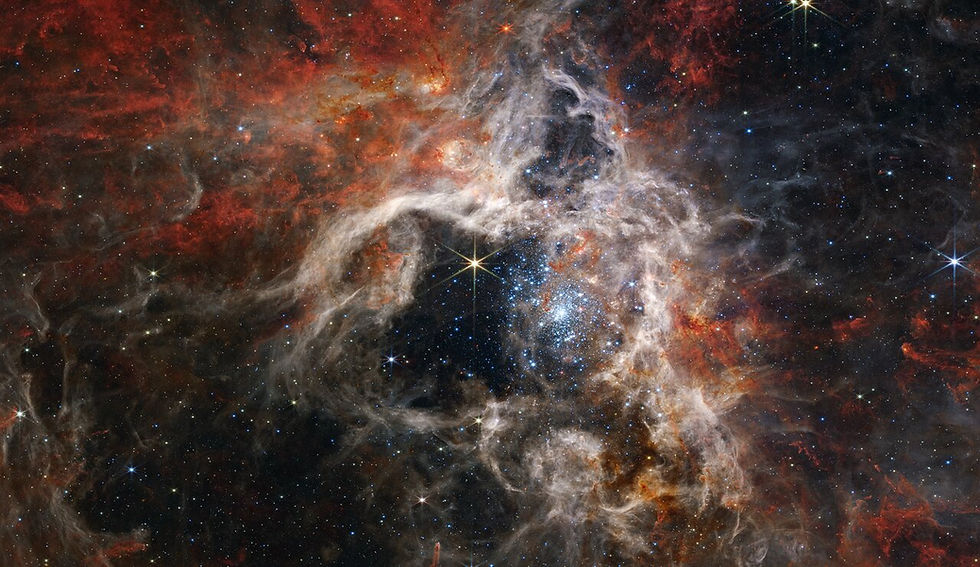
The contrast between a truly dark sky and one infected by light pollution is clear and obvious. In the skies above light-polluted cities, only less than a dozen of the brightest stars can be seen, whereas in total darkness, a show of upwards of 3,000 stars parades across the sky each night. Even being near a city is enough to drop that number down to under 200 stars.

Today, over 80% of the world’s population live under polluted skies. That’s six billion people who will likely never see the sky as it was for the four billion years before the invention of the light bulb. In the U.S. and Europe, the average jumps up to 99% of the population. Only the most remote of locations, such as the Amazon Rainforest, the Sahara Desert, or the arctic remain with large areas of unblemished skies.
It’s not only stargazing that light pollution can ruin. For billions of years, nature has adapted for the clockwork nature of the darkness of night. Animals and plants rely on this predictability. They expect the dark and added light can ruin the ecosystem as a whole. Nocturnal animals sleep during the light of day. Predators hunt in the light, allowing prey to come out safely at night. Bright artificial light sources can confuse these animals, leading to disruptions in the ecosystem. Even one species negatively affected by the artificial daytime can cause a cascade effect and lead to an entire ecosystem collapsing.
The sad fact is that, like normal pollution, much of the total light pollution is avoidable. The average streetlight, while necessary for safety, casts a wide beam of light, some of which travels straight into the sky, and much of which is reflected by the ground into the sky. Even worse, modern LED bulbs produce more blue light, which scatters into the atmosphere even easier than older yellow lights.
The solution isn’t to live in the dark, it’s simply to be smarter about the way we use light. A more focused streetlight, which casts light only where it’s needed, with less blue color would lead to less pollution. Alternatively, motion sensors allow for light to be turned off when not needed. Then there’s the completely unnecessary light sources, such as electronic billboards. As an added bonus, these measures would also conserve energy, saving both money and the environment.
Everyone owes it to themselves to see the night sky in truly dark conditions at least once in their lives. It’s a breathtaking experience that won’t be forgotten. It’s possible it may not exist for much longer. But maybe, if enough people witnessed it and realized its value, we could work towards a solution and save the night sky for future generations.


Comments